
Buffett's Berkshire Hathaway's decision to significantly reduce its Apple holdings in 2024 and 2025 has cost the investment giant approximately $50 billion in paper gains.
On Monday (October 20th), Apple's stock price rose nearly 4%, pushing its market capitalization to $3.89 trillion, surpassing Microsoft to become the second-largest US company by market capitalization, as market optimism about the iPhone's prospects reignited. This strong rally made Berkshire's previous decision to reduce its holdings all the more noteworthy.
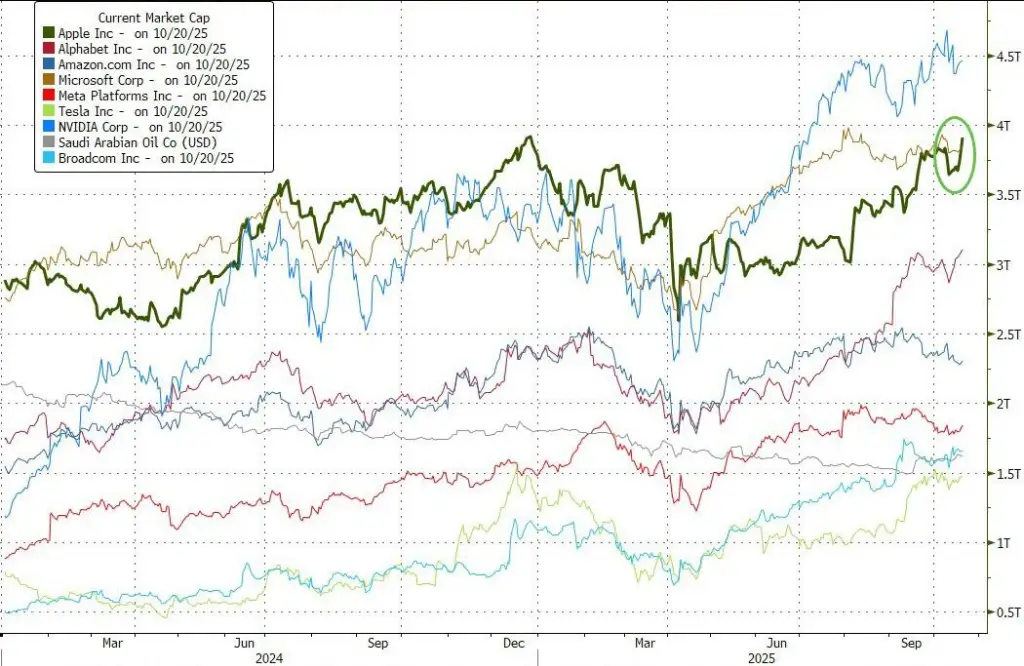
Apple's market capitalization approaches $4 trillion
According to disclosures, Berkshire's Apple holdings had plummeted to 280 million shares as of June 30th of this year, from 906 million shares at the end of 2023. The majority of these sales occurred in the second quarter of 2024, when it reduced its holdings by nearly 4 million shares. Berkshire's decision to sell two-thirds of its Apple holdings is estimated to have cost the company approximately $50 billion in lost profits.
This large-scale divestment seemed somewhat surprising at the time, as Buffett had previously listed Apple, along with Berkshire's insurance, utilities, and railroad businesses (BNSF), as one of the four "pillars" of the company's value, suggesting that Apple could become a "forever holding" for Berkshire, like American Express and Coca-Cola.
High "Opportunity Cost"
According to Buffett's 2021 shareholder letter, Berkshire's initial purchase of approximately 1 billion Apple shares cost an average of approximately $35 per share.
It is estimated that Berkshire sold Apple shares at an average price of approximately $185 per share, a sale that generated over $90 billion in pre-tax gains last year and approximately $6 billion so far in 2025.
However, at Apple's current share price of nearly $262, it represents a premium of nearly $80 over Berkshire's estimated average selling price. This means that Buffett missed out on approximately $50 billion in potential appreciation for the shares he "flipped."
Furthermore, this substantial gain was subject to significant taxation. It is estimated that Berkshire paid nearly $20 billion in corporate income taxes on the Apple shares sold, or approximately $30 per share, which would reduce its net income to approximately $155 per share.
Why did Buffett sell?
The market has various interpretations of Buffett's motivation for selling Apple shares.
Buffett himself hinted at the potential for future corporate tax rate increases at Berkshire's annual shareholder meeting in May 2024.
Some Berkshire observers believe the reduction was due to the excessive weight of Apple's holdings. This investment once accounted for over 40% of Berkshire's stock portfolio. With this reduction, Apple's stake has been reduced to approximately 25%, effectively diversifying the company's risk.
There's also market speculation that Buffett wants to further bolster the company's already strong balance sheet by replenishing its cash reserves before stepping down as CEO at the end of 2025. As of June 30th, Berkshire held over $330 billion in cash.
Given Apple's strong stock performance, the possibility of further Buffett reducing his holdings in the third quarter cannot be ruled out, with relevant data to be released in mid-November.
Not only Apple, but also Bank of America has seen significant declines.
In fact, Berkshire also reduced its holdings in Bank of America, another major holding, over the past year.
It's estimated that Berkshire sold approximately 400 million shares of Bank of America, a reduction of approximately 40%, bringing its current holdings to just over 600 million shares, with a market value of over $30 billion.
Bank of America closed up 1.48% on Monday at $52, while Berkshire sold it at a price just over $40, meaning approximately $4 billion in potential gains were unrealized.
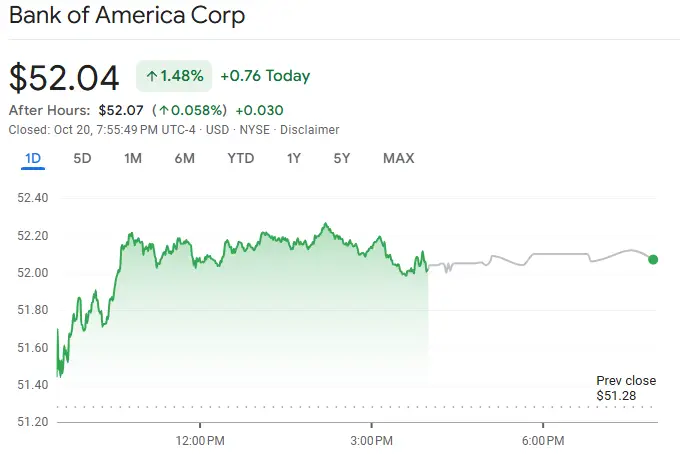
(Bank of America closed up 1.48% on Monday)
Berkshire Class A shares closed at $740,600 on Monday, up about 9% year-to-date, lagging the S&P 500's 16% total return. Analysts believe Apple's share reduction may have been a drag.
If Berkshire still held over $230 billion in Apple shares, its stock price performance would likely have been even stronger.