Artificial intelligence is rapidly moving from information retrieval to transaction execution. Recently, OpenAI dropped a bombshell, announcing a deep partnership with global payment giant PayPal. At the heart of this collaboration is the direct integration of PayPal's payment capabilities into ChatGPT's chat interface, signaling the imminent arrival of a new era of conversational commerce. This move is considered OpenAI's most important and substantial strategic deployment in the e-commerce field to date.
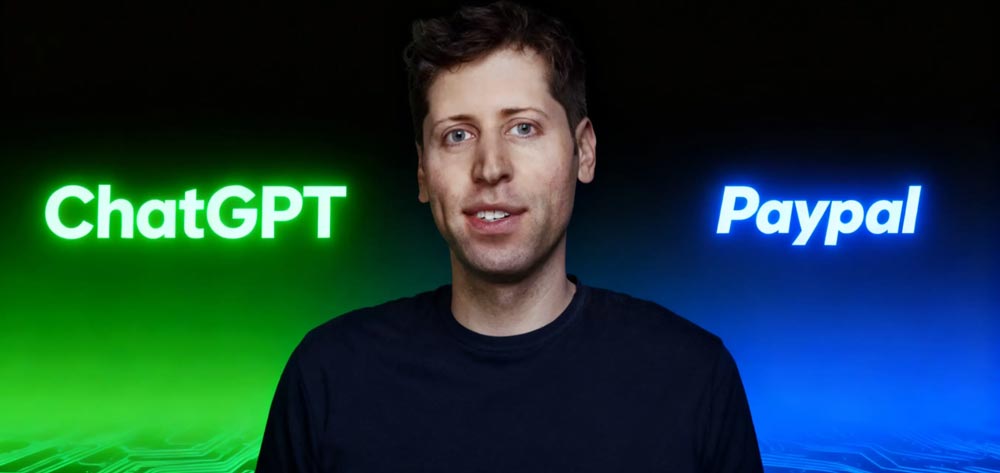
For a long time, large-scale language models, represented by ChatGPT, have primarily served as information assistants or creative partners. Users can ask for information, write code, or draft copy, but when it comes to actual commercial transactions, they often need to switch to a third-party platform to complete the process. This has been the biggest bottleneck in AI's transition from "assistant" to "agent."
This collaboration between OpenAI and PayPal aims to completely streamline this closed loop.
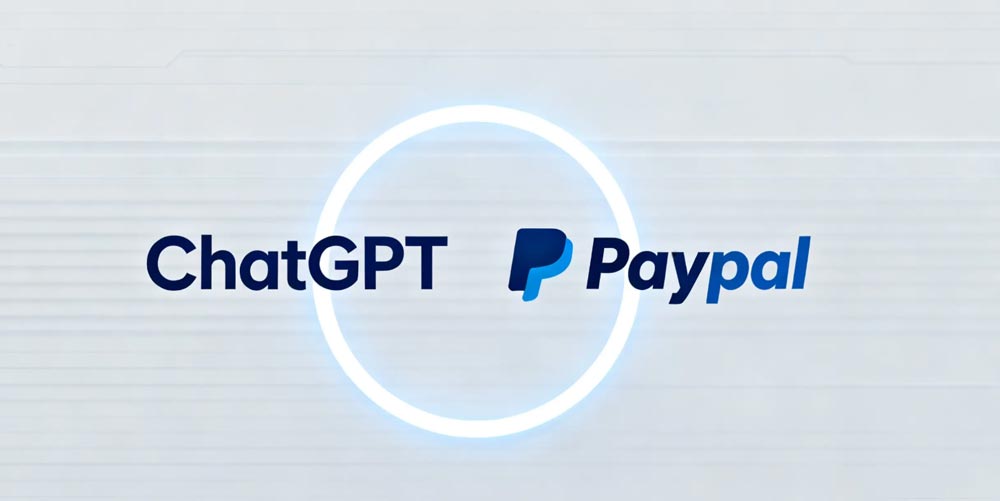
According to information disclosed by both parties, starting in 2026, users will be able to search for and purchase goods directly within the ChatGPT chat window. This means that when a user makes a shopping request to ChatGPT, such as "Find me a pair of shoes suitable for autumn hiking," the AI can not only provide suggestions but also immediately access their PayPal account to complete the payment after the user makes a selection, all without leaving the chat window.
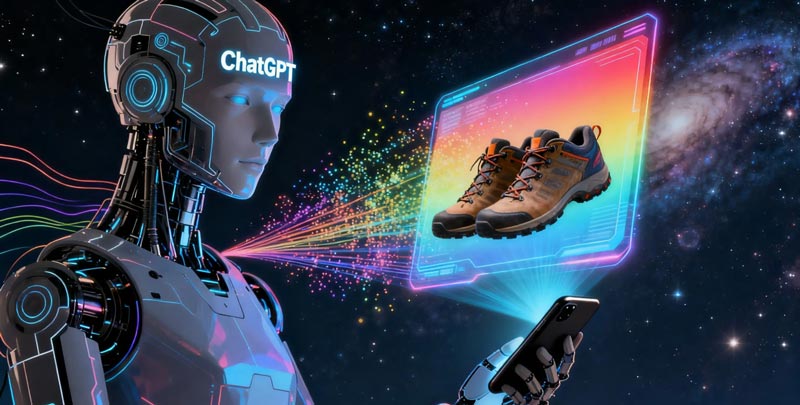
It is worth noting that the technological foundation of this significant collaboration partly stems from another tech giant—Google.
It is understood that this integration relies on Google's Agentic Commerce Protocol (ACP). ACP aims to provide a standardized framework for AI agents, enabling them to reliably interact with the e-commerce ecosystem.
PayPal's support for the ACP protocol serves as a technological bridge connecting OpenAI with a vast number of merchants. Through this protocol, ChatGPT can seamlessly access PayPal's payment functionality. This extends beyond just PayPal account balance payments; even credit card payments will be securely processed in the background via PayPal's own API.
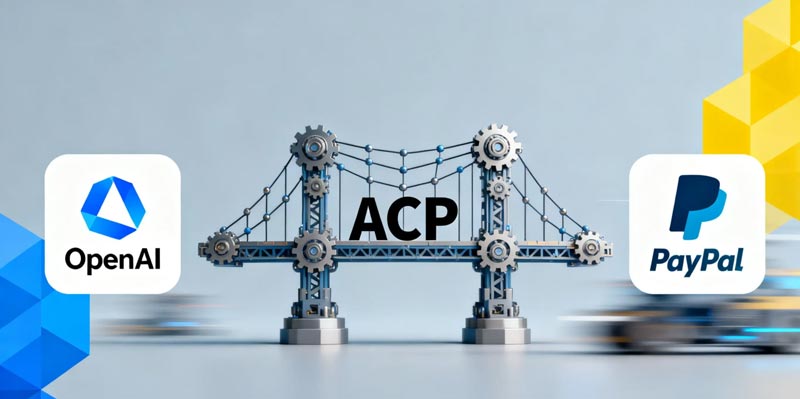
For merchants, the most attractive aspect of this collaboration is undoubtedly its extremely low integration cost.
In traditional platform integration, merchants typically need to invest significant technical resources in API integration, testing, and maintenance. OpenAI and PayPal's solution completely changes this game: merchants require virtually no additional technical integration.
It is understood that merchant registration will be available immediately. Throughout the entire transaction process, from payment verification to subsequent processing, all complex backend tasks are handled by PayPal.
This paves the way for ChatGPT to rapidly expand its presence in conversational commerce. It bypasses the most time-consuming and labor-intensive process of integrating merchants one by one, theoretically making the tens of millions of existing merchants in the PayPal network potential product pool for ChatGPT.
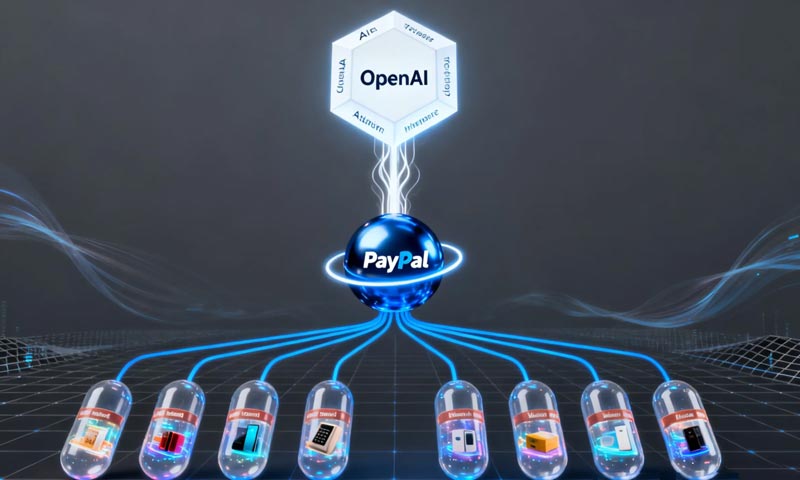
This collaboration clearly demonstrates OpenAI's strategic intent—to make AI a truly all-encompassing personal agent.
By embedding a mature, reliable, and widely accessible payment system, ChatGPT has undergone a fundamental transformation. It is no longer merely an information provider, but an executor capable of executing user commands and completing complex tasks.
For PayPal, this is a crucial step in consolidating its core position in the payments field amidst the AI wave. As AI becomes a new traffic gateway, payment tools that are the first to embed AI workflows will undoubtedly seize the initiative in the future of commerce.
It is foreseeable that as 2026 approaches, a new e-commerce model driven by AI, offering instant response and seamless transactions, is rapidly emerging. This transformation, initiated by OpenAI and PayPal, will not only reshape users' shopping habits but also have a profound impact on existing e-commerce platforms, search engines, and even the entire digital advertising industry.