
Some people online claim that the US can "shut down" China with a flick of a finger. It's as if they have a master switch they can flip to send us all back to the text messaging era. It sounds scary, but the more I thought about it, the more it felt off, so I went to check it out.
The "root servers" they're talking about are indeed the top layer of the internet. There are 13 globally, 10 in the US, and none in China. It sounds like someone else's "vital point," but it's not.
It's like a general map of a shopping mall, telling the computer where to find the next-level server. Don't be fooled by the "13" number; it's not just 13 isolated machines, but a system with hundreds of nodes distributed around the world. The 10 in the US are also managed by multiple organizations.
Data shows: By 2024, there will be over 1,700 root server mirror nodes worldwide (Source: ICANN public data). Mainland China has also deployed dozens of these nodes. While not called "main roots," they can independently handle most queries. In other words, if someone unplugs their network cable, it won't completely go black.
Furthermore, the claim that "the US will shut down our internet if it takes action" is technically unsound. DNS has caching and backup systems, and China has its own domestic resolution system. The Ministry of Industry and Information Technology (MIIT) announced in 2022 that the "National Top-Level Domain Name Resolution System" now covers almost all provinces nationwide, and major domain name requests can be processed within China.
If we truly want to impact this, the most likely scenario is that international domain names like .com and .net will experience issues, such as temporary resolution issues for foreign trade websites and cross-border payments. However, this impact isn't limited to China; it will disrupt the entire world.
One detail: There are approximately 5 trillion DNS queries per day globally (Source: Verisign quarterly report). This isn't something that any single country can disrupt. If the US really messes up, giants like Microsoft, Apple, and Amazon will collapse first. That's their own wallet.
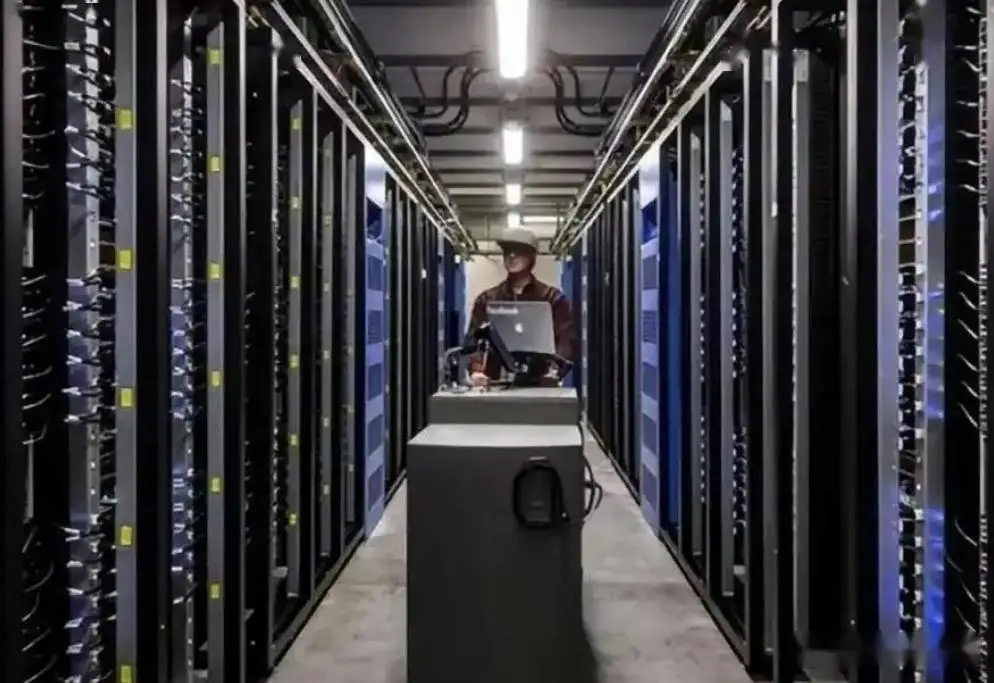
The network is indeed vulnerable, but not in the sense of "someone else pressing a button."
China hasn't just been a bystander these years. IPv6 has already been rolled out. By the end of 2024, China will have 822 million users, accounting for 35% of the world's total (Source: China's Ministry of Industry and Information Technology). IPv6 is more than just a change of address; it's the next-generation network system. The new address system and security protocols don't rely on the old architecture at all.
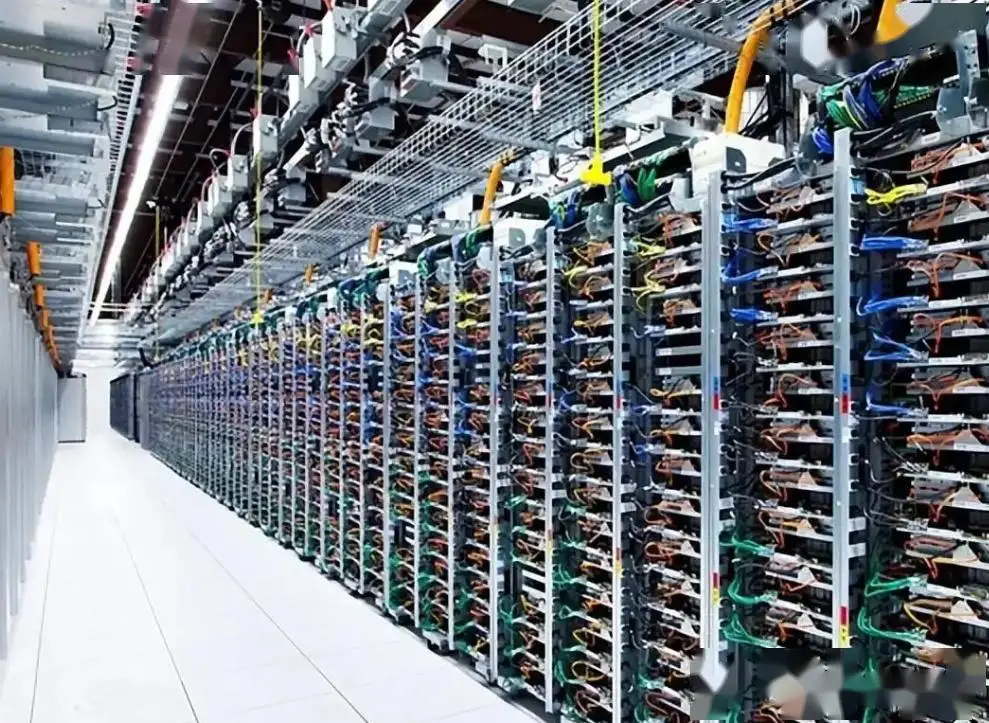
The "Action Plan for High-Quality Development of IPv6," released by China's Ministry of Industry and Information Technology in 2025, explicitly calls for "building a world-leading IPv6 security system." The implication is clear: in the future, your internet cable may not even pass through the old US system.
Don't be too cavalier. The fact that there are more root servers in the US does mean they have a strong voice in standards and regulations. Although ICANN claims to be an international organization, its core leadership is still a company registered in California. This is the reality.
But precisely because of this reality, the US really doesn't dare to act recklessly. The internet isn't a weapon, and shutting it down is a suicidal global operation. During the 2022 Russia conflict, some in the US proposed "blocking network nodes," but ICANN immediately rejected the idea. The reason is simple: the principles of the internet are open, stable, and neutral. Any attempt at political manipulation would be the end of the organization.
The bigger concern isn't that "others will shut down China," but that China itself will be intimidated into shutting down. Every time such news breaks, social media users chime in with the cry of "the internet is over, we're going to be shut down." But the real story is a misunderstanding of the technology.
China's current internet system is no longer the "entirely imported" system of twenty years ago. The national top-level domain name system operates in its own data centers in China, with three layers of backup: IPv6, CDN, and the national backbone network. It can withstand any real disruption.
Those who claim, "The US could shut down China's internet in a matter of minutes," are actually simplifying complex internet issues into mere threats. Disconnecting the internet isn't as simple as flipping a switch, and it's not something anyone can pull off lightly.
But then again, internet security can't rely solely on trust. China needs its own roots, its own protocols, and its own backup paths. With IPv6 now leading the way, the next step is to stabilize the entire underlying technology chain.
If a global internet outage were to occur, it wouldn't be a problem for the United States or China; it would be a problem for all of humanity.