
Samsung Electronics, Google, and Qualcomm have officially released the Galaxy XR headset, powered by their latest Android XR operating system and the Gemini artificial intelligence (AI). This marks a direct challenge from the tech giants to Apple and Meta's dominance in the mixed reality (XR) and future smartglasses markets.
The Galaxy XR mixed reality headset, available for purchase on October 22nd for $1,799, features a design similar to that of the Apple Vision Pro and Meta Quest 3. It uses external cameras for "see-through" vision, allowing users to see the real world while wearing the headset. It also features internal eye-tracking cameras for navigation and supports gestures for interacting with virtual interfaces.
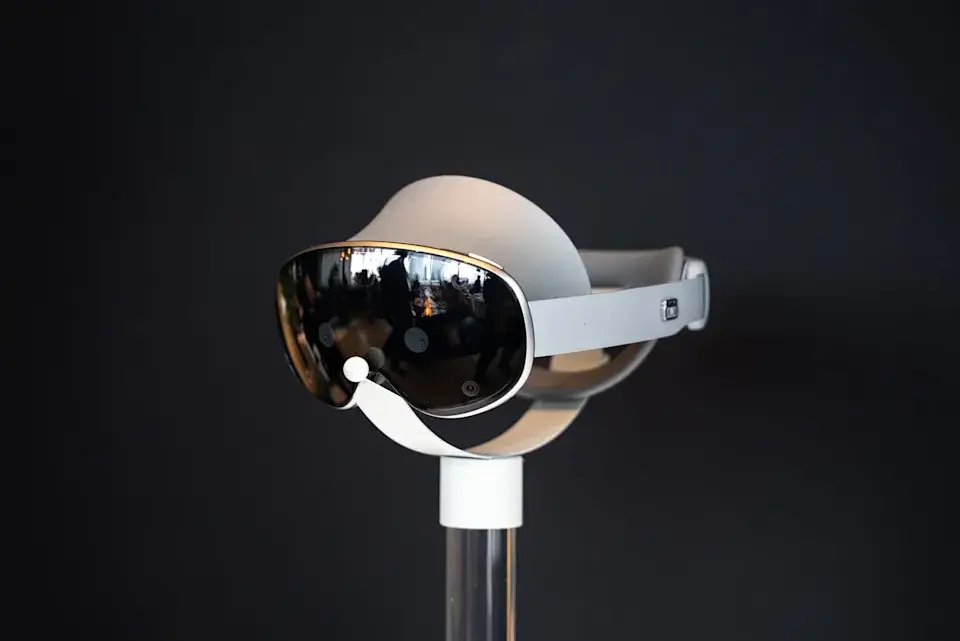
While its hardware design closely matches that of its competitors, Samsung and Google are betting on their jointly developed Android XR operating system and Google's Gemini AI model as core differentiators for the device. Won-Joon Choi, COO of Samsung's Mobile Experience Business, stated that they believe the combination of XR devices and Gemini's multimodal AI will create significant synergies.
This move marks the Samsung-Google alliance's official entry into a highly competitive field. Industry data shows that even market leader Meta's headset shipments are declining. However, the market for lighter-weight smart glasses is growing rapidly, suggesting that the alliance has a longer-term strategic blueprint.
With Gemini's support, AI becomes a key differentiator.
Samsung and Google see the deep integration of Gemini AI as their trump card in the Galaxy XR's market challenge. Users can directly ask the headset about objects in their field of view or content on their screen.
In one demonstration, a Samsung representative pulled up Google Maps and asked Gemini for pizza restaurants in a specific area. The headset then found the highest-rated one and displayed relevant information. In another demonstration, a Google representative, wearing a headset, asked Gemini about a pair of glasses held by a Samsung representative. The headset analyzed the object using its X-ray function and quickly identified the brand as Gentle Monster, bringing up the brand's official website.
However, Samsung and Google aren't the only companies integrating AI into headsets. Meta has integrated its own Meta AI into its Quest 3, and Apple's Vision Pro is expected to receive an AI-powered version of Siri support via a software update.
Laying the Foundation for Future AI Glasses
Samsung executives acknowledged that headsets like the Galaxy XR aren't mass-market products per se; their more important strategic significance lies in laying the foundation for future devices. According to CounterPoint Research, market leader Meta's headset shipments fell 11% quarter-over-quarter to 710,000 units in the second quarter, while global augmented reality smartglasses shipments grew 74% year-over-year.
Won-Joon Choi said people might question why other companies entered this field when others were underperforming, but he believes the answer lies in the potential of combining XR with AI. He revealed that the Galaxy XR is the first step in the company's future product roadmap, which will be followed by wired and wireless smart glasses, culminating in "AI glasses." These devices may feature built-in displays for navigation or notifications.
Intense Market Competition and Numerous Challenges
The Samsung-Google alliance will face intense competition. Meta, the current market leader, not only offers the Quest 3 headset but also the popular Ray-Ban Meta smart glasses. Recently, Meta released new glasses with a built-in display and a wrist-worn neural band, allowing users to interact with them through gestures.
Meanwhile, Apple is also developing its own smart glasses, which will undoubtedly add further uncertainty and challenges to the future plans of Samsung, Google, and Qualcomm.
Bringing together the three giants of Samsung, Google, and Qualcomm to jointly develop hardware and software is no easy task. Won-Joon Choi admitted that the initial collaboration was "not easy at all," and coordinating the three parties to jointly advance the hardware and software development of the headset was fraught with challenges. Nevertheless, the shared belief in the prospects of integrating XR and AI technologies ultimately prompted the alliance to bring its products to market.