Swept by the AI wave, Silicon Valley is experiencing a new round of layoffs: Salesforce, Google, Meta, and others are simultaneously laying off and hiring, even going so far as to categorize layoffs based on code output, while shifting resources to cutting-edge, large-scale models. Unicorns and traditional enterprises are also affected. Entry-level positions are being automated, and top AI talent is in high demand. Layoffs are not just about cost reduction; they are the prelude to a reshaping of the job landscape.
One gloomy morning, at a parent-child singing event at Salesforce Park in San Francisco, a young father—also a software engineer—pushed a stroller thoughtfully.

A few days earlier, he had received a layoff notice from Salesforce, becoming part of the latest round of layoffs at the $240 billion software giant.
At the same time, Salesforce CEO Marc Benioff was publicly extolling the power of AI to boost productivity. Just recently, Meta Superintelligence Labs laid off 600 employees.
Reports suggest the company went so far as to use the amount of code produced to determine the layoff list.
In Silicon Valley in 2025, the AI wave is sweeping the tech industry like never before, spurring innovation and triggering a wave of layoffs.
TechCrunch has compiled a comprehensive list of layoffs in Silicon Valley this year.
• Layoffs are happening one after another.
AI is the driving force behind the layoffs.
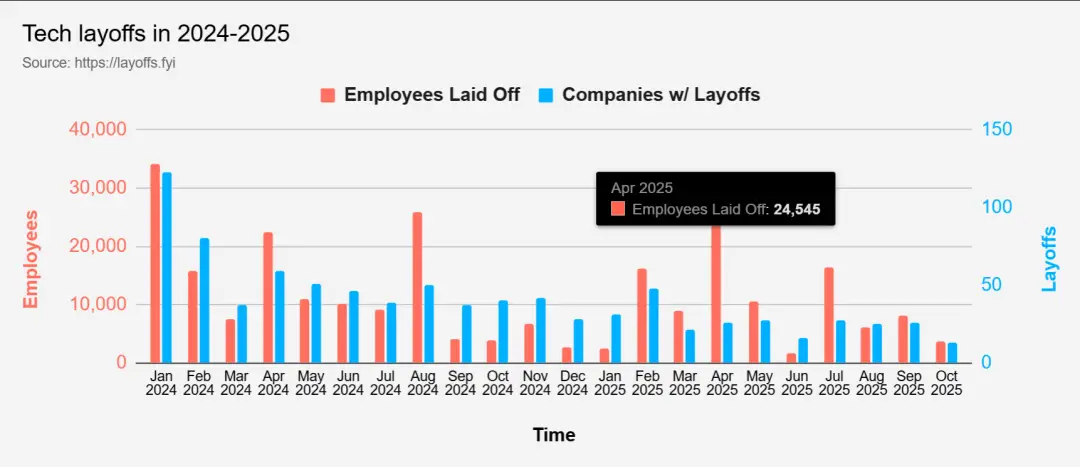
According to Layoffs.fyi, an independent layoff tracking website, statistics show that the global tech industry will lay off more than 150,000 employees in 2024.
As we enter 2025, this wave of layoffs continues.
Global tech companies have already cut nearly 100,000 positions this year, primarily driven by the widespread adoption of AI and economic uncertainty.
In April of this year, over 24,500 layoffs were reported in a single month.
Silicon Valley, the global innovation engine, has been the first to be affected. From internet giants to rising startups, everyone is tightening their belts on staff and reshaping their organizations to adapt to the AI era.
A series of moves by major tech companies have been particularly eye-catching.
At the beginning of the year, Google announced an organizational restructuring, offering voluntary separation programs in its People Operations and Cloud divisions. In October, it also eliminated over 100 design positions in its Cloud division, shifting resources to AI product development.
Meta has also taken several actions: earlier this year, it eliminated 5% of "underperformers" through performance reviews. Then, in the spring, it reduced approximately 100 positions in its Reality Labs team. In the fall, news broke that it would lay off approximately 600 employees in its AI infrastructure department.
Interestingly, however, the top AI team at TBD Labs, led by Meta's new Chief AI Officer, Alexandr Wang, remained unaffected. While cutting back on legacy businesses, Meta remains eager to recruit cutting-edge AI talent.
Salesforce has become a microcosm of the wave of AI layoffs in Silicon Valley.
This customer relationship management software giant laid off approximately 8,000 employees as early as 2023, and another 1,000 in 2024.
In 2025, Salesforce announced another 262 layoffs at its San Francisco headquarters.

While Benioff touted AI's "exciting reshaping of work," he bid farewell to thousands of employees, sparking widespread concern about the seismic shift in Silicon Valley's corporate culture.
• "AI Revolution"
Tech Giants Lay Off and Hire
While laying off employees, Silicon Valley giants haven't slowed down their investment in and recruitment of AI talent.
Behind this dramatic "layoffs and hiring" dynamic lies the difficult balancing act between old and new roles.
Recently, executives at companies like Microsoft and Amazon have repeatedly expressed their views on AI replacing some human labor, garnering widespread attention.
In a July letter to employees, Microsoft CEO Satya Nadella admitted that the pain of layoffs in the company's transformation from a "software factory to an intelligent engine" had left him "sleepless."

Following smaller layoffs earlier in the year, the tech giant eliminated over 6,500 jobs in May, representing approximately 3% of its global workforce. This marked its largest reduction since the 10,000 layoffs in 2023.
Nadella explained that the adjustment was intended to invest more resources in cutting-edge areas such as generative AI products (such as Copilot) and Azure cloud services.
Meanwhile, Amazon has laid off approximately 27,000 employees since 2022.
CEO Andy Jassy warned employees in June that as AI becomes more deeply integrated into business processes, "many jobs in the future will no longer require as many human workers."
This fall, Amazon continued to make changes to its divisions: first, it reorganized its audio content subsidiary, Wondery, eliminating 100 positions and merging its podcast business into Audible.
Then, it laid off approximately 100 people in its Devices and Services division (which includes teams like the Alexa voice assistant, Echo speakers, and Zoox autonomous driving).
These moves are seen as a strategic shift for Amazon to focus on its core businesses, cut redundancies, and make room for AI projects.
Even Alphabet's Google is feeling the pressure of its AI transformation.
Mid-year, Google cut a quarter of its smart TV team, prioritizing AI investments.
In October, Google Cloud's design and user experience teams bore the brunt of the layoffs, with over 100 designers being laid off. This was reportedly due to the company's efforts to further transform its cloud business toward AI-driven products.
In line with this, Google is actively promoting AI research talent internally and has announced plans to invest more in generative AI.
Within these giant companies, we see a clear trend: traditional and mid-level management positions are being reduced, while top AI scientists, engineers, and product managers are becoming increasingly sought-after.
Established companies like Oracle and Cisco are following suit.
Oracle laid off hundreds of employees in the Bay Area in August and September, including 101 in Seattle, 254 in San Francisco, and 101 in Santa Clara. While remaining silent publicly, the actions were frequent.
Cisco eliminated a total of 221 positions in its San Jose and San Francisco offices.
While these companies haven't directly attributed the layoffs to AI, the reductions often occurred in basic R&D or support departments to free up budget for AI-related areas like cloud services and cybersecurity.
Notably, Salesforce, while laying off some employees, is actively recruiting business talent who can sell new AI products.
These seemingly contradictory arrangements reveal the bets that large tech companies are making on the future: using AI to improve efficiency, open up new markets, and empower their teams.
• Startups and Unicorns
Reinventing Themselves in the AI Tide
The layoffs aren't limited to tech giants.
In 2025, many startups and unicorns were forced to pivot in the wake of the AI wave, using layoffs to achieve business focus and strategic transformation.
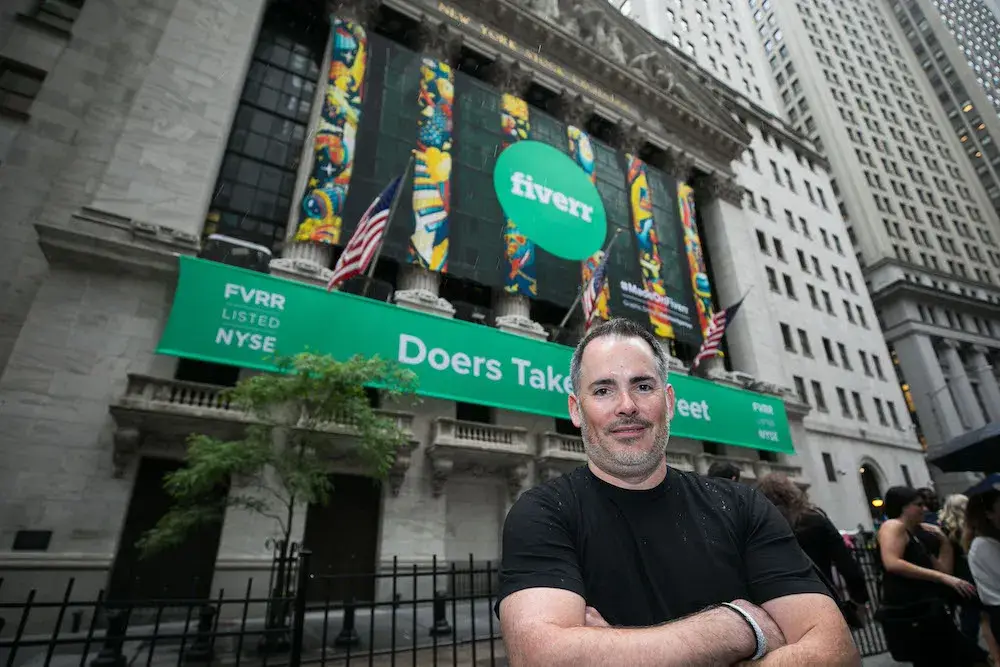
In August, Fiverr, a leading startup in the freelance marketplace, announced layoffs of approximately 250 employees, representing 30% of its workforce. In a letter to employees, the CEO stated that the move was intended to make the company "leaner, more agile, and focused on AI-first development." The restructuring would reduce management layers and focus on building an "AI-native" product and service ecosystem.
Almost simultaneously, Yotpo, an Israel-based marketing technology company, laid off 34% of its team (approximately 200 people), shutting down its email and SMS marketing services and partnering with other companies to provide these services. It also focused resources on developing new AI-powered tools (such as automatic review summarization and intelligent content ranking).
Two Israeli "unicorns" have simultaneously resorted to layoffs to transform their businesses, signaling the decline of traditional internet business models and a bold bet on the future of AI.
In the United States, Indeed and Glassdoor, two previously merged job search platforms, announced in July that they would cut a combined 1,300 jobs and undergo a deep integration.
The CEO of Recruit Holdings, the Japanese parent company, explained that the restructuring was intended to reshape business processes, focus on AI, and integrate the resources of the two recruitment platforms to better leverage AI to improve recruitment matching efficiency.
Even the recruitment industry itself is clearly being disrupted by AI: intelligent tools such as optimized matching algorithms and automated resume screening are reducing the need for manual recruitment coordination.
Faceted by industry competition and strategic adjustments, some AI companies have also been impacted by layoffs.
This summer, Silicon Valley data annotation unicorn Scale AI announced the layoff of approximately 200 employees and terminated contracts with 500 global contract workers.
Remarkably, just a few months ago, the founder of Scale AI sold the company to Meta in a deal valued at approximately $14.3 billion, intended to allow the entrepreneurial star to join Meta as a senior executive.

Following the immediate aftermath of the acquisition, Scale embarked on a major downsizing, perhaps to optimize its balance sheet before merging with the social media giant.
A similar situation occurred at Elon Musk's recently founded company, xAI: the general artificial intelligence startup reportedly laid off approximately 500 data labelers, equivalent to a third of its team, in its first round of layoffs.
xAI stated that these eliminated "general AI trainer" positions would be replaced by "AI experts" in various fields, and the company would shift its chatbot training to a more specialized approach.
For a time, AI companies that once pursued large-scale manual data labeling began to replace manual labor with smarter AI methods, a cause for concern.
Some of these adjustments at AI startups stem from strategic focus, while others are driven by survival pressures.
Gupshup, a San Francisco-based conversational AI startup, underwent two rounds of layoffs this year: approximately 200 employees were laid off in April, followed by reports of at least 100 more layoffs in October, affecting nearly half of its workforce.
Despite backing investors like Tiger Global Management and a valuation that once reached $1.4 billion, the company was forced to streamline its team to improve efficiency and profitability while also preparing for an IPO.
Windsurf, another Bay Area startup specializing in AI code generation, also laid off 30 employees shortly after being acquired by Cognition and offered voluntary buyouts to the remaining 200.
This team, once rumored to be the target of acquisition by OpenAI and Google, ultimately faced turmoil due to the post-acquisition departure of key talent and the new owner's increased emphasis on intellectual property, making layoffs almost certain.
This demonstrates that under pressure from capital and tech giants, even the most glamorous AI startups may be forced to resort to layoffs to survive.
• Traditional Industries and Startups
No One Immune to the Chill
Notably, the wave of layoffs extends beyond the pure software and internet sectors, impacting both the technology sectors of traditional industries and cross-sector tech companies.
In March of this year, American coffee chain giant Starbucks announced the layoff of 1,100 technical employees, outsourcing some technical functions to third parties.
A company selling coffee has also amassed a large technical team. This restructuring is driven by cost considerations and also reflects that as digital transformation enters a new phase, some internal IT positions are being replaced by more efficient external services or AI tools.
The automotive industry has also felt the chill: General Motors (GM) laid off 200 employees at its Detroit electric vehicle plant, blaming the slowdown in the electric vehicle market.
EV startup Rivian has even laid off employees for the third time. Following nearly 300 layoffs in June and September, it announced another 600 job cuts (approximately 4% of its workforce) in October to address changes in industry subsidy policies and cooling demand.
Even the usually stable Intel is no longer shy about its plans to "slim down for the winter." In April, the chip giant announced plans to cut up to 20% of its workforce (approximately 21,000 employees), primarily in its foundry services division, to reduce costs and focus on AI chip manufacturing.
Also in April, German industrial giant Siemens announced it would lay off approximately 5,600 employees globally, primarily in its automation and electric vehicle charging businesses, to improve its competitiveness.
Silicon Valley unicorns are also re-evaluating the balance between growth and profitability.
After canceling its IPO plans, ride-sharing platform Turo decided to lay off 150 employees to strengthen its financial resilience.
Enterprise collaboration software company Smartsheet laid off over 120 employees immediately after its privatization acquisition as part of a management restructuring.
Workday, an enterprise human resources platform, took an unusual step by laying off 1,750 employees (8.5%), opting to cut costs as a precautionary measure despite its solid performance in recent years.
After experiencing several safety incidents and heavy regulatory pressure, Cruise, the once-prosperous autonomous driving company, ultimately laid off half its staff and shut down operations, with its remaining assets being acquired by parent company General Motors.
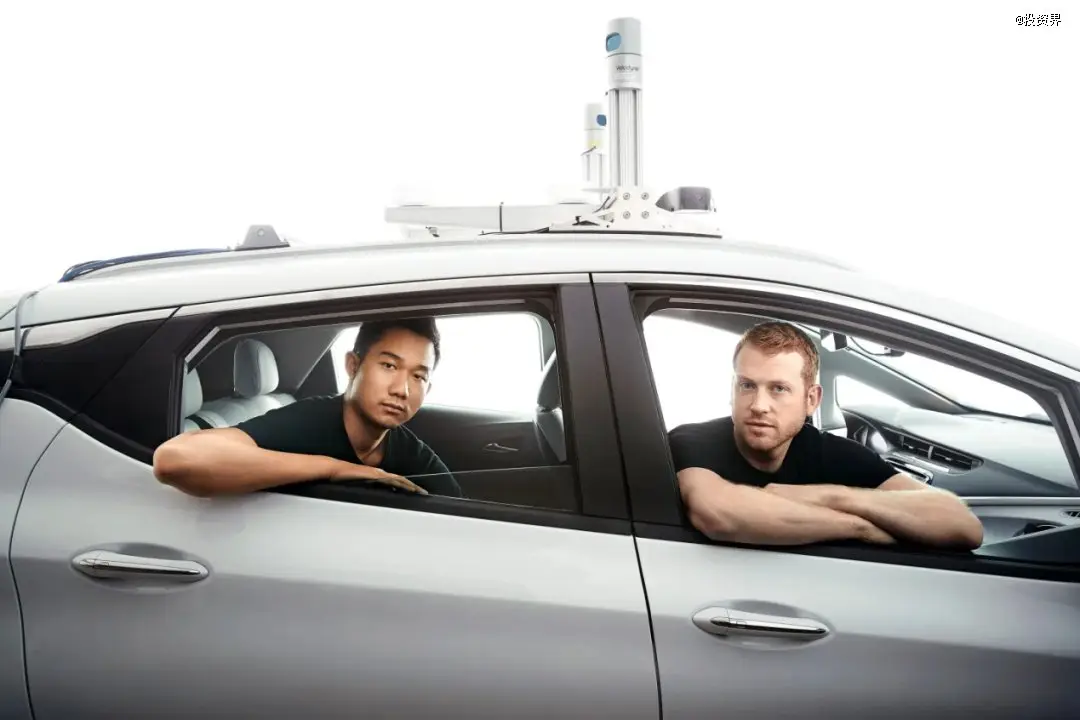
The dramatic end of this team, once considered the hope of future mobility, has left countless tech professionals pondering the future.
• The Human Cost and Hope
The Two Sides of the "AI Revolution"
As we review this year's dramatic layoffs, a common thread emerges: AI is profoundly changing the talent landscape in Silicon Valley and the global tech industry.
For many executives, AI represents efficiency, innovation, and competitiveness, meaning it can do more with fewer people.
However, for laid-off employees, AI means job displacement and an uncertain future.
Stanford University economist Erik Brynjolfsson aptly captures this paradox:
The development of artificial intelligence is always accompanied by both job destruction and job creation.
Within tech companies, these two phenomena are occurring simultaneously: demand for entry-level positions is declining, while demand for highly skilled talent like AI experts is soaring.
The wave of layoffs in Silicon Valley in 2025 exemplifies this "creation and destruction" scenario.
In May of this year, the US education technology company Chegg, facing business setbacks as students turned to AI tools like ChatGPT, was forced to lay off over 200 employees, or 22% of its total workforce.
Canva, which had once encouraged employees to boldly embrace generative AI, laid off more than a dozen technical writers just nine months later—positions that may have already been replaced by AI writing assistants.
On the other hand, the AI wave itself is fueling a new talent shortage.
Companies are vying for emerging roles like machine learning engineers, prompt experts, and data scientists, offering high salaries, fearing they will fall behind in this arms race.
IBM eliminated 200 human resource recruiters and replaced them with chatbots, yet through business transformation, its headcount actually grew.
As industry commentary points out:
The wave of layoffs in 2025 reveals more than just cost-cutting decisions by companies; it also foreshadows how AI will reshape the future of work.
For both companies and individuals, the unavoidable reality is that AI is becoming a core factor in the restructuring of jobs.
For companies, AI means the ability to reshape processes, streamline teams, or launch new businesses;
For employees, embracing AI and mastering new skills may become a survival strategy for staying relevant.
Looking ahead, we may have to confront the question: the ultimate measure of technological progress lies not only in the value created, but also in the opportunities it provides and the costs it incurs.
As more and more companies replace human jobs with AI, the livelihoods at stake will ultimately become the yardstick for measuring the cost of this technological transformation.
Reference: