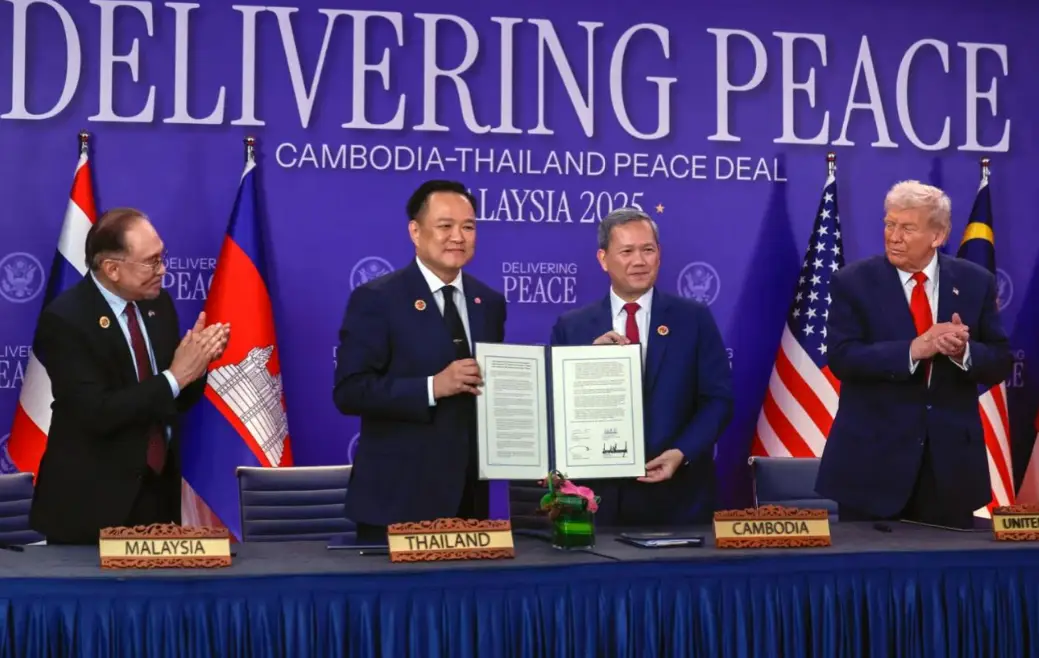
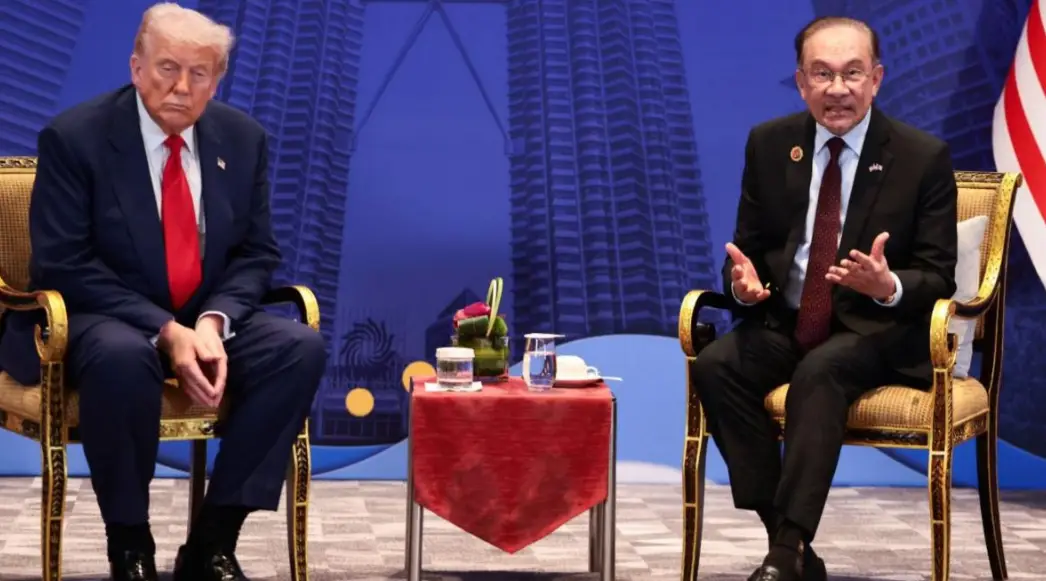
In today's globalized economic arena, rare earth minerals have become a crucial chess piece in international negotiations. On October 26, US President Trump signed trade agreements covering rare earth exports with Malaysia, Thailand, and Cambodia at the ASEAN summit. This move reveals a sense of urgency. The US clearly hopes to break China's monopoly in the rare earth sector. This deal is not only about economic interests but also has deeper implications.
First, we need to examine the importance of rare earths. Rare earth elements are an indispensable component of the modern technology industry, used in a wide range of high-tech products, from smartphones to wind turbines to electric vehicles. Therefore, controlling the rare earth resource supply chain undoubtedly means controlling the lifeline of related industries. However, rare earth mining and refining are not easy, especially for small countries that rely on external technology and investment.
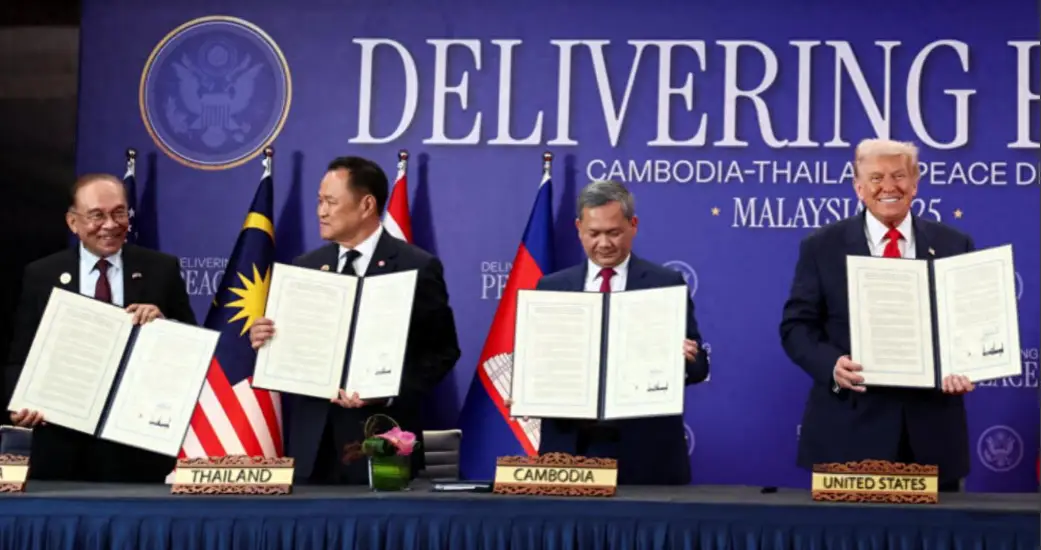
The US agreement with three Southeast Asian countries marks another strategic move by the US in its fight for the global rare earth supply chain. Take Malaysia, for example. While its proven rare earth reserves are approximately 16.1 million tons, while not a significant figure globally, it is considered a potential partner. The Malaysian government has already issued a strict ban on the export of rare earth raw materials in an effort to protect its resources, which undoubtedly complicates cooperation with the US.
From an economic perspective, Malaysia's decision is not entirely driven by dependence on the US, but rather a rational business decision. Through cooperation with the US, Malaysia hopes to introduce technology and upgrade its industry, thereby building a complete domestic rare earth industry chain. However, it is important to note that China's advantages in rare earth processing are undeniable. Although Malaysia is attempting to develop independently in the rare earth sector, it remains uncertain whether it can ultimately avoid dependence on Chinese technology and equipment.
Meanwhile, the situations in Thailand and Cambodia are equally complex. In the agreement, Thailand pledged to eliminate 99% of tariffs on US goods, striving to create a diversified and liquid market; Cambodia, on the other hand, is also committed to promoting economic cooperation with the US. This appears to be a win-win situation for all three parties, but in reality, it hides further uncertainties.
China will not sit idly by in the face of US efforts to secure rare earth supply chains. Its latest rare earth control measures impose strict controls on rare earth element exports and restrict the sharing of related technologies. According to the Ministry of Commerce's "0.1 principle," any product containing Chinese rare earth elements exceeding 0.1% by value must be reported to and licensed by the Ministry of Commerce. This undoubtedly places additional pressure on Southeast Asian countries that have reached agreements with the US.
Currently, China is the only country in the world with mature rare earth production capacity, possessing a clear advantage in technology and experience. In today's rapidly advancing science and technology, the geopolitical significance of rare earths is becoming increasingly apparent. The US hopes to weaken China's control of rare earths with the help of Southeast Asian countries, but how far this path will go remains uncertain.
Looking ahead, how will Southeast Asian countries' cooperative relations with the US evolve? Will local governments be further influenced by external pressure when collaborating with the US on resource interests? These are issues worth watching. China's role in this process will also be crucial. Whether it adopts stronger measures to protect its rare earth market and how it repositions itself within the global supply chain will influence the future trajectory of international relations.
The competition for rare earths, a strategic resource, will not end easily. As the US and its allies continue to expand into Southeast Asia, seeking alternatives and diversifying their supply chains, this competition will only intensify. For China, how to maintain competitiveness in this complex environment presents a difficult challenge for policymakers.
It is foreseeable that in future international relations, rare earths will become more than just an economic resource; they will also become a crucial factor in national security, technological competition, and even diplomatic relations. Only time will tell whether countries will work together to address this challenge or continue to act independently. As ordinary citizens, we need to pay close attention to this dynamic evolution, as it directly impacts our lives, technological progress, and even national security.