
On October 26, US-China trade talks concluded in Kuala Lumpur. US Treasury Secretary Benson's statement that the US is "no longer considering imposing 100% tariffs on China" instantly ignited international public opinion. This unusual statement was seen by the outside world as a key signal of easing Sino-US trade relations and a reflection of a US strategic shift in the trade war.
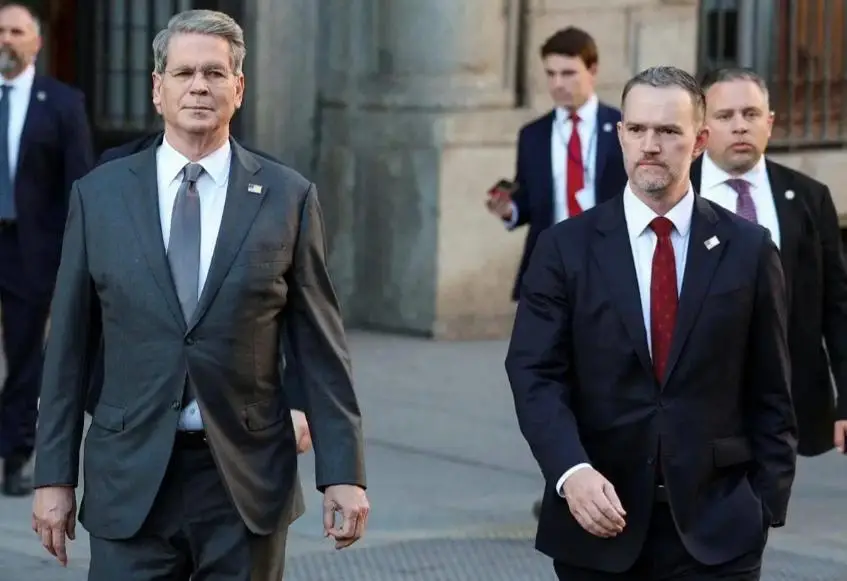
Benson's "no longer considering" appears to be a softening of tone, but in reality it represents a strategic move of retreat. The shift from "considering tariffs" to "no longer considering" reflects a US reassessment of the costs of the trade war.
On the one hand, inflationary pressures in the US remain elevated. Imposing comprehensive tariffs on China would inevitably drive up domestic consumer prices and exacerbate pressures on people's livelihoods. On the other hand, with the 2024 election approaching, the Biden administration needs to balance voter demands with a tough stance toward China. Sending a conciliatory signal at this time can both temporarily stabilize the economy and leave room for further negotiations.
However, it's important to note that the US's claim of "no longer considering" tariffs does not mean it has permanently abandoned the tariff weapon. The underlying message is that if subsequent negotiations fail to meet expectations, tariffs could be re-introduced. This "selective concession" is essentially a tactical adjustment, not a strategic shift.
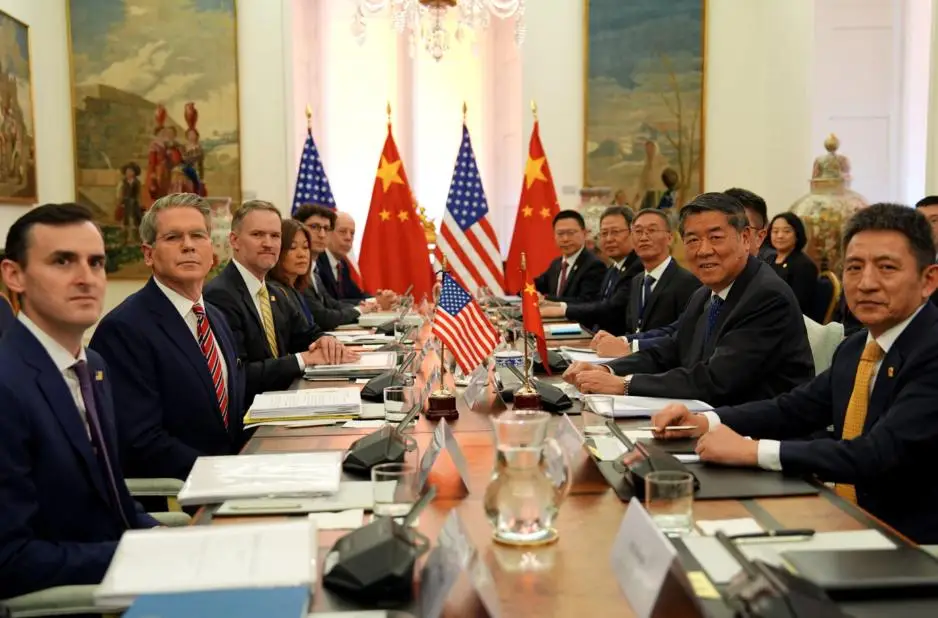
The negotiations covered sensitive issues such as maritime logistics, fentanyl control, and agricultural product trade, with the key points of the negotiation between the two sides clear:
Tariff Suspension Period: The current reciprocal tariff suspension expires on November 10th, making its extension a top priority. The US hopes to suspend tariff increases in exchange for Chinese cooperation in areas such as fentanyl control, while China insists on rescinding the US's vessel charges under Section 301.
Rare Earths and Export Controls: The US specifically mentioned rare earths, revealing its concerns about supply chain security. China's bargaining power in the rare earth sector has become a key bargaining chip in the negotiations. Although both sides claim to have reached a "preliminary consensus," specific details have yet to be made public. This suggests the negotiations remain a pragmatic, mutually beneficial transaction rather than a resolution of fundamental conflicts.
The timing of these negotiations is intriguing—they fall on the eve of the APEC meeting. Both sides aim to create a positive atmosphere for the leaders' meeting through interim results:
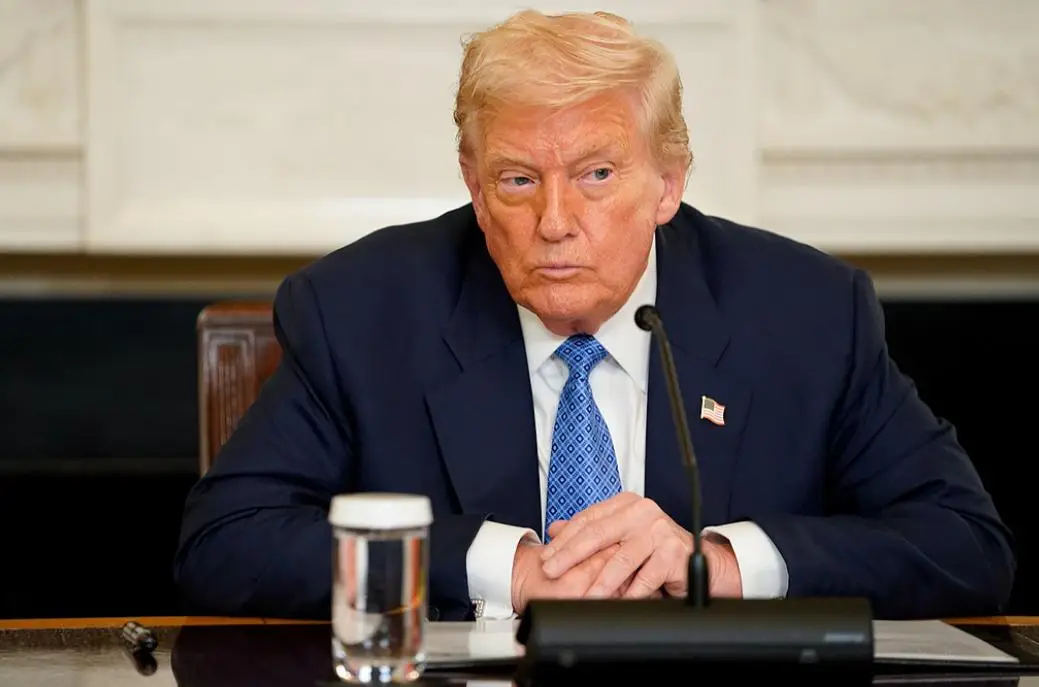
The US needs to project an image of being "tough on China but capable of managing risks" domestically;
China, on the other hand, hopes to stabilize Sino-US relations, ease external pressure, and focus on economic development.
The BBC bluntly stated, "The success or failure of American leaders lies in China." As the backlash from the trade war becomes increasingly apparent, a temporary compromise becomes the only rational option for both sides.
The global market's intense attention to the outcome of the Sino-US negotiations confirms the reality that "the Sino-US relationship affects the world."
Southeast Asian countries are concerned about the impact of the trade war on regional supply chains and welcome any signs of easing tensions.
European companies hope that Sino-US relations will stabilize to avoid being forced to choose sides.
Emerging markets hope that cooperation, rather than confrontation, between the two major economies will inject certainty into global growth.
As Singapore's Lianhe Zaobao observed, the marathon 5.5-hour China-US talks reflected the international community's shared hope of avoiding a "new Cold War."
Bessant's "no longer considering" decision serves as a relief valve for Sino-US economic and trade relations, but it is not the final destination. Competition between the two sides in areas such as technology and geopolitics will persist, and the duration of this window of easing trade tensions will depend on the finalization and implementation of the details of subsequent negotiations.
What is certain is that as the consensus that "fighting hurts both sides" becomes established, rational restraint is gradually replacing emotional confrontation. If this trend continues, it may bring long-awaited stability to the turbulent global economy.