
On the recent international trade stage, soybeans, a seemingly insignificant crop, have played a unique "thermometer" role, reflecting the increasingly complex economic relationship between China and the US. On October 28th, it was reported that COFCO Group of China announced the purchase of approximately 180,000 tons of US soybeans. Although this figure is not large, the signal it conveys is very important. This purchase occurred on the eve of the upcoming Sino-US leaders' summit, and the market reacted enthusiastically, with Chicago soybean futures prices instantly soaring to a 15-month high. This phenomenon not only demonstrates the importance of soybeans as part of global trade but also reveals the deep economic ties between China and the United States and their potential development direction.
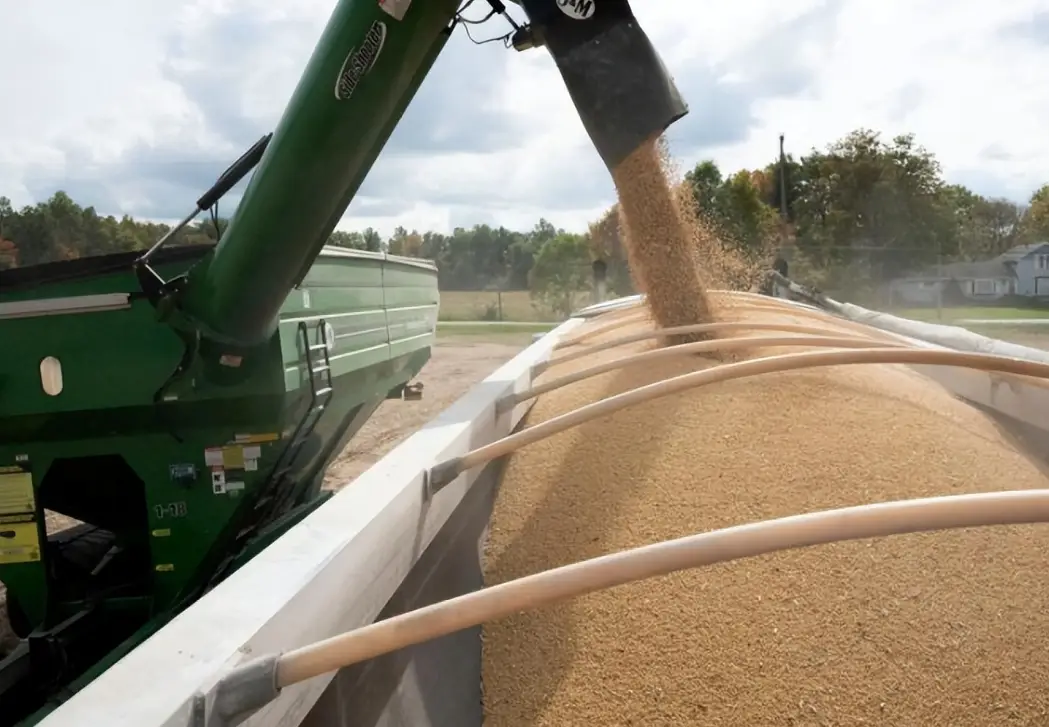
China, as the world's largest soybean importer, imports a staggering 90 million tons annually, while the United States is the undisputed largest producer, with an annual output of approximately 100 million tons, nearly half of which is exported. Therefore, the trade relationship between these two countries is of paramount importance. Historically, interaction between China and the United States in soybean trade began in the 1980s. With the development of relations and increased complementarity, this area has gradually become a "barometer" of bilateral economic and trade relations. The United States' land resources and technological advantages give it an undeniable competitive edge in agricultural production, while China's huge demand for soybeans makes this trade a natural bridge for bilateral economic cooperation.
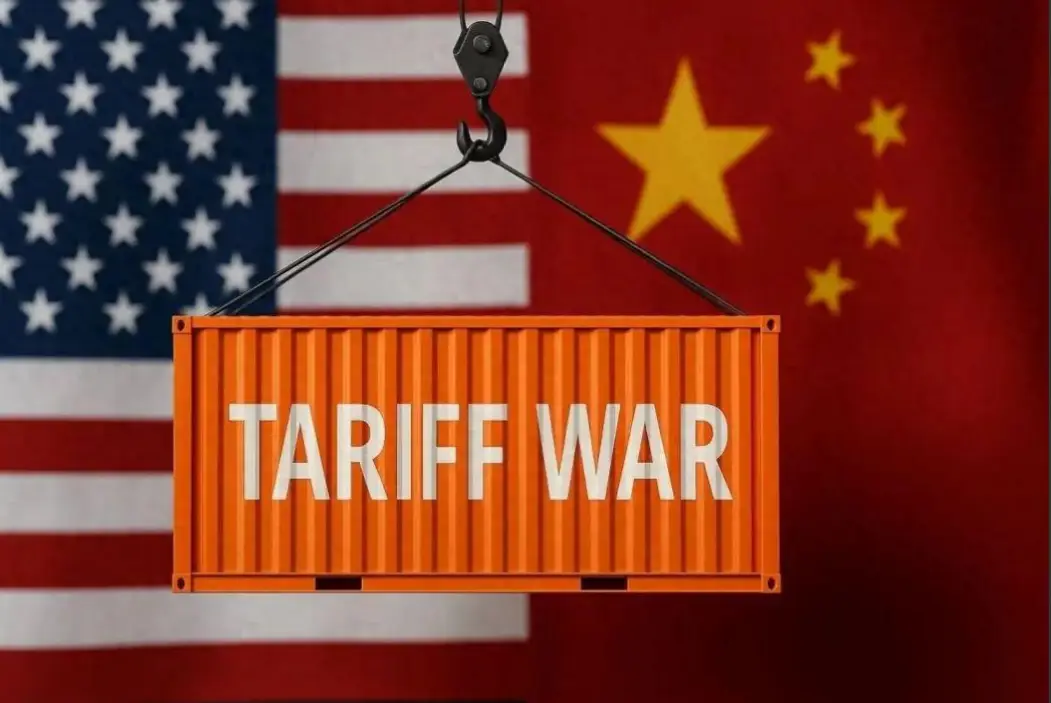
However, since the Trump administration launched the trade war in 2018, the relationship between the two sides has experienced significant fluctuations. Soybeans, once seen as a "weapon" by China against US tariff policies, are now once again being used as a bargaining chip in negotiations. This shift reflects deeper economic logic and political strategy.
Why has China chosen to resume importing soybeans from the US amidst a severe trade situation? This is not merely driven by economic needs, but also a strategic gesture of goodwill. Through soybean purchases, China is signaling to the US its desire to improve bilateral relations. This strategy not only alleviates the plight of American farmers but also makes the Trump administration feel the real economic losses caused by its tariff policies. Data shows that in 2024, over 51.7% of US soybean exports still went to China, undoubtedly making the Chinese market a "lifeline" for American soybean farmers.
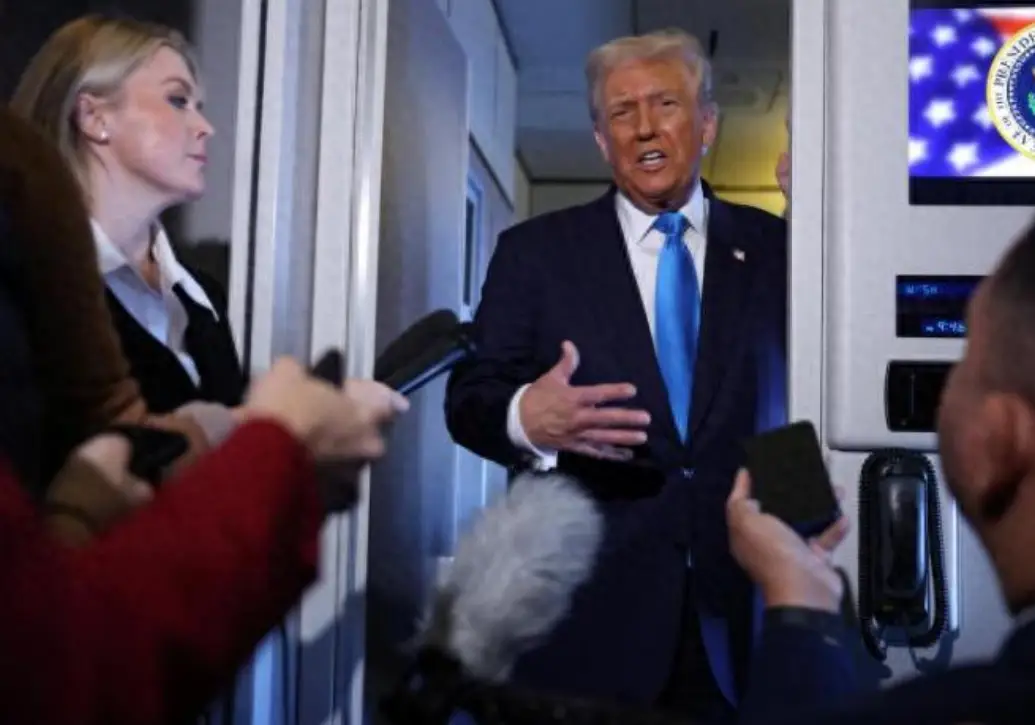
In this game, China's strategy is highly significant. By making timely purchases, China demonstrates its willingness to engage in constructive dialogue and hopes to gain more benefits in return. With Trump urgently needing political achievements to solidify his base, soybeans have become an effective negotiating tool. On October 29th, Trump publicly stated that he expected to lower tariffs and mentioned cooperation with China on the fentanyl issue; this statement clearly reflects the complex situation in the current Sino-US trade negotiations.
Soybeans, as a strategic commodity, conceal a more complex political and economic relationship. In the 46 years since the establishment of diplomatic relations between China and the US, bilateral trade has grown rapidly from less than $2.5 billion in 1979 to nearly $688.3 billion in 2024, demonstrating the high degree of complementarity between the two economies. However, economic complementarity does not mean the absence of contradictions; in fact, trade frictions are a result of this complementarity combined with strong conflicts of interest.
Current Sino-US relations are exhibiting a new dynamic. With both sides exerting pressure on tariffs, especially Trump's focus on fentanyl, it shows that resolving trade disputes no longer relies solely on economic interests but also requires the intervention of political wisdom. Future negotiations will involve increasingly more detailed and technical issues. As one analyst stated, "The closer to the end, the more cautious both sides will be." This reflects not only the complexity of the negotiations but also the pressure from their respective domestic political environments.
In the days to come, Sino-US trade negotiations will face even greater challenges and opportunities. With changes in the global economic situation, especially against the backdrop of the COVID-19 pandemic recovery and the Ukraine crisis, both sides may need to re-examine their economic relationship and strategic layout. In this process, the performance of soybean trade will undoubtedly continue to serve as an important window into Sino-US relations. If both sides can achieve deeper cooperation in the trade of soybeans and other agricultural products, it could not only alleviate current economic pressures but also lay the foundation for further improvement in bilateral relations.
In short, soybeans not only carry the complex economic interests of both China and the US, but also act as a network tightly linking the economic and political trends of both countries. In the future, China and the US can find more common ground in this area, thereby turning crisis into opportunity and contributing to the stable development of the global economy.